
ARCHAEOLOGY AND/IN THE MAKING OF THE MIDDLE EAST
*NEW* SPRING 2026
Examines the ways that archaeology has informed the creation of and political, diplomatic relationships with the Middle East, from Victorian archaeologists and travelogues celebrating Nineveh and Babylon, to obsessions with mummies, Indiana Jones, the Iraq War, and contemporary sci fi and film.
Introduction to Museum Studies
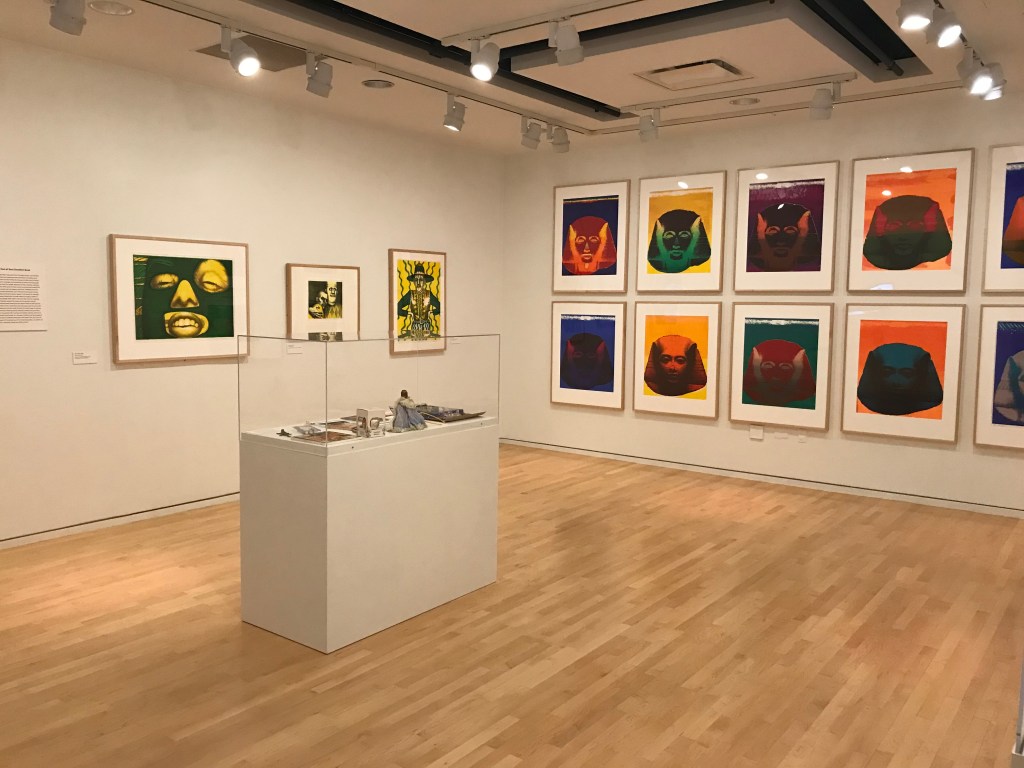
This class offers an introduction to museum studies scholarship suitable for first-year undergraduates. The course covers the history and theory of museum origins and collections before examining the politics of representation.

Un/Natural History Museums
This course explores the constructed nature of natural displays in natural history museums, examining how contemporary human social mores such as religious ideas, gender norms, or heteronormativity are staged and read onto plants, animals and insects. Students also stage a pop-up exhibition using the CoW Biology Department collections.
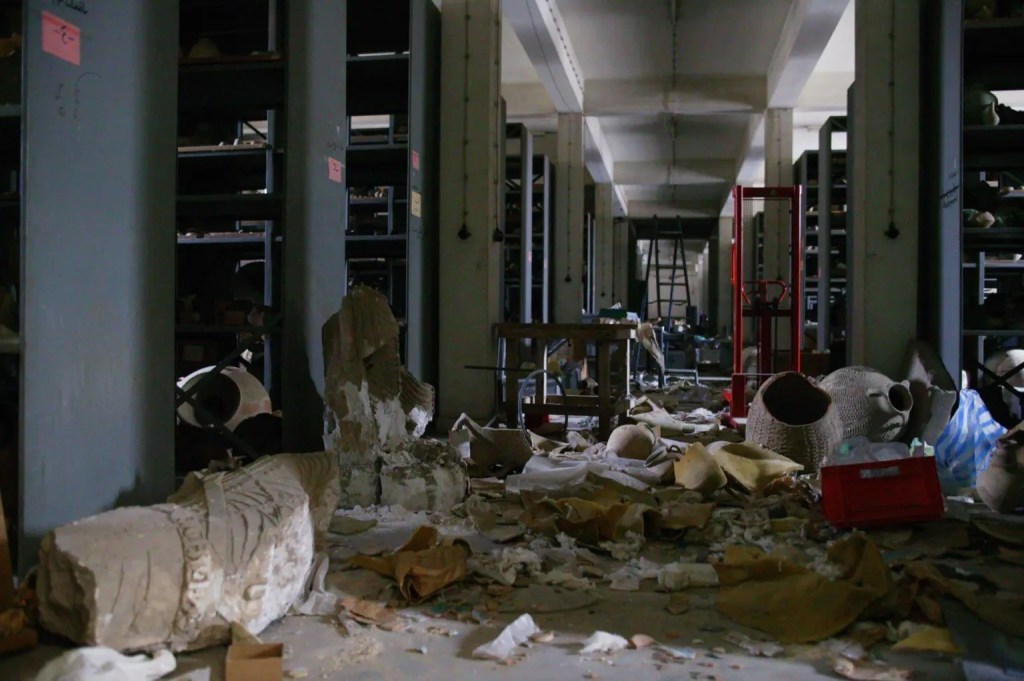
MUSEUMS & POLITICAL CONFLICT This class uses case studies – ie, museum controversies – to dive in depth into questions of representation, politics, and power. In addition to well-known historical examples such as Into the Heart of Africa and Tilted Arc, students interrogate contemporary museum practice vis-a-vis Black Lives Matter, current repatriation debates, and the Covid-19 pandemic.
Introduction to 4-Field Anthropology
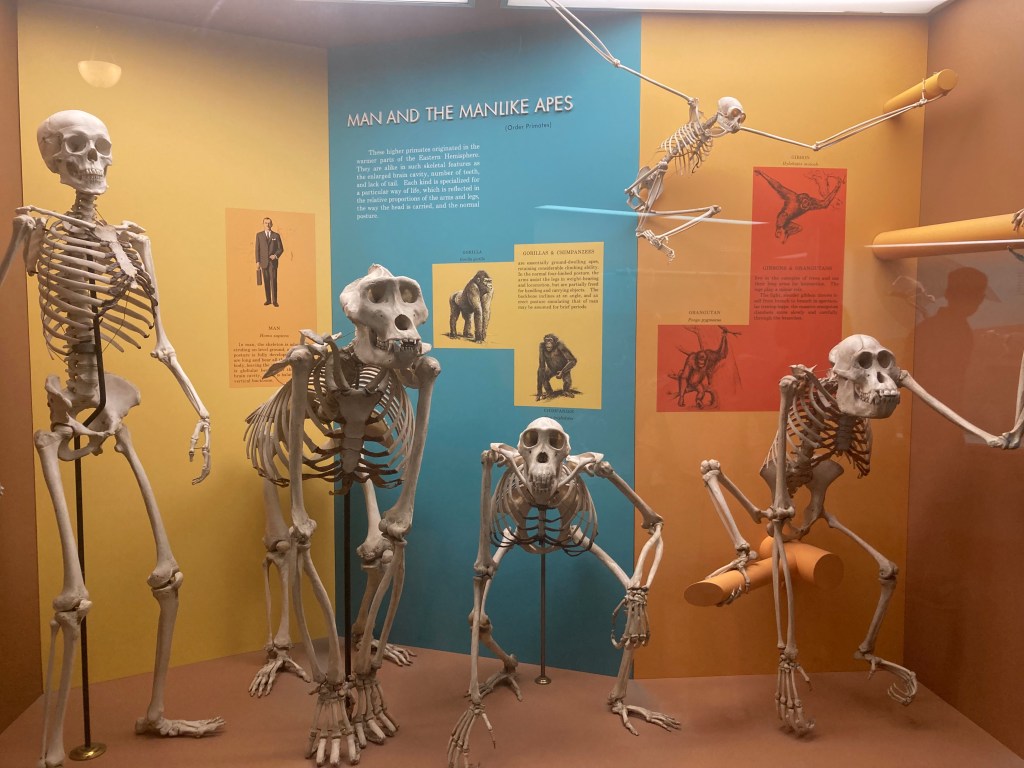
This course introduces the four fields of anthropology topically, showing the contributions of different subfield perspectives. In addition to a grounding in canonical anthropological texts, students read graphic novels, watch documentaries, throw atl-atls, and conduct interviews and field observations.

Anthropology of Arab-Majority Societies
This course begins with a brief historical and geographical overview of the Middle East region, and examines the category of “Middle East.” Where and who is included in this region, and why? We then move into a thematic survey of anthropological scholarship on contemporary cultures in the region, including North Africa, the Levant and Turkey, through the Arabian Peninsula. The course includes readings on kinship and social reproduction, migration, gender and sexuality, art and cultural production, religion, and climate & environment to provide a well-rounded understanding of the rich diversity of communities who live in the region.
 Beth Derderian